

Independent cinema, Quebec and Canada

Light through grain, stories in two languages

Independent Canadian cinema spans two languages, with a distinct Quebec tradition and its own path to the screen. Reel North is an independent information site that explores these subjects through four clearly organised guides.

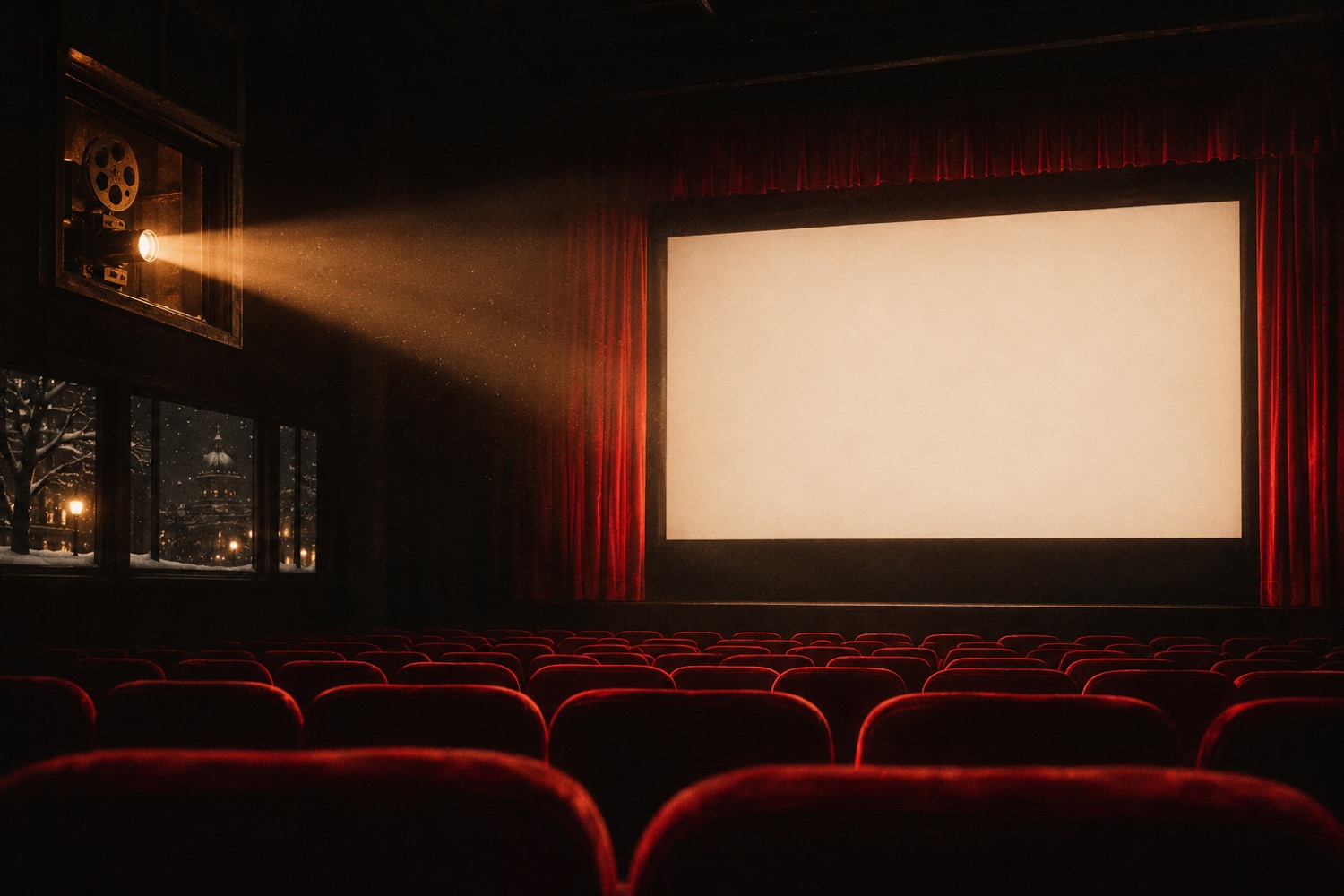
A dark cinema with a projector beam crossing the room toward a blank screen framed by red curtains

We do not operate a business, sell anything or announce releases. We describe cinema, its institutions and the journey a film takes to reach its audience.

The reel

Six frames from a film culture

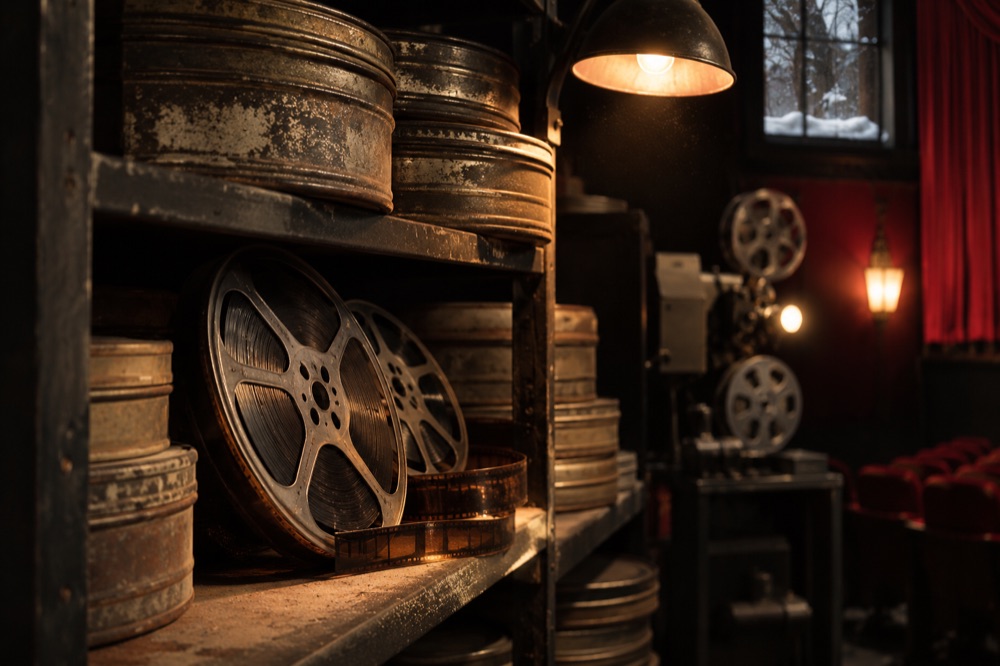
  1. Shelves of film cans and reels

    1939

    A public film institution

    The National Film Board of Canada is created under the National Film Act. John Grierson becomes its first film commissioner.

  2. Strip of 35 mm film with sprocket holes

    1963

    Direct cinema on an island

    Pierre Perrault and Michel Brault make Pour la suite du monde on Île-aux-Coudres, produced by the NFB.

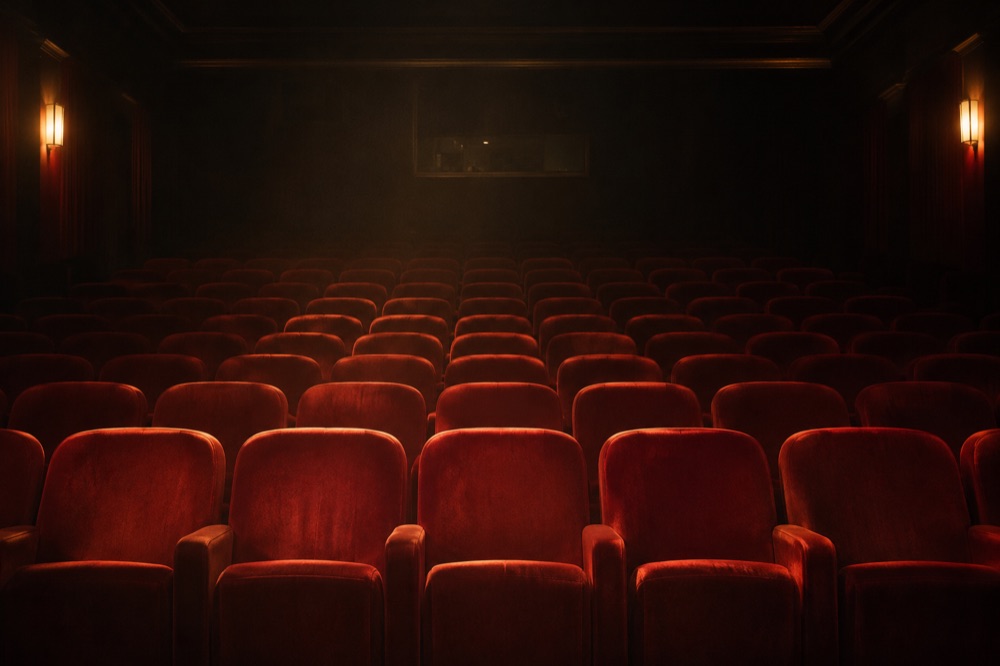
  3. Rows of red seats in a dark theatre

    1971

    Montreal opens a festival

    Festival du nouveau cinéma begins as a festival of 16 mm films. Toronto follows in 1976 with the Festival of Festivals, today TIFF.

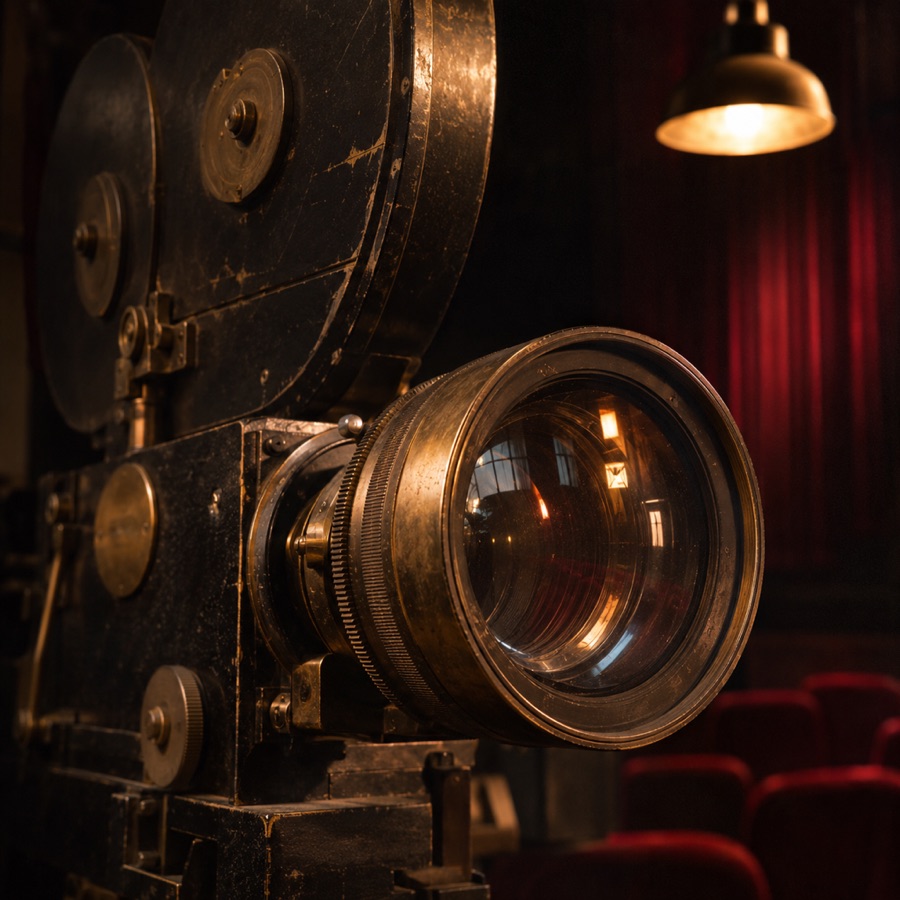
  4. Vintage cinema lens

    1996

    Fantasia

    A Montreal festival that starts with Asian genre cinema and becomes a home for genre film.

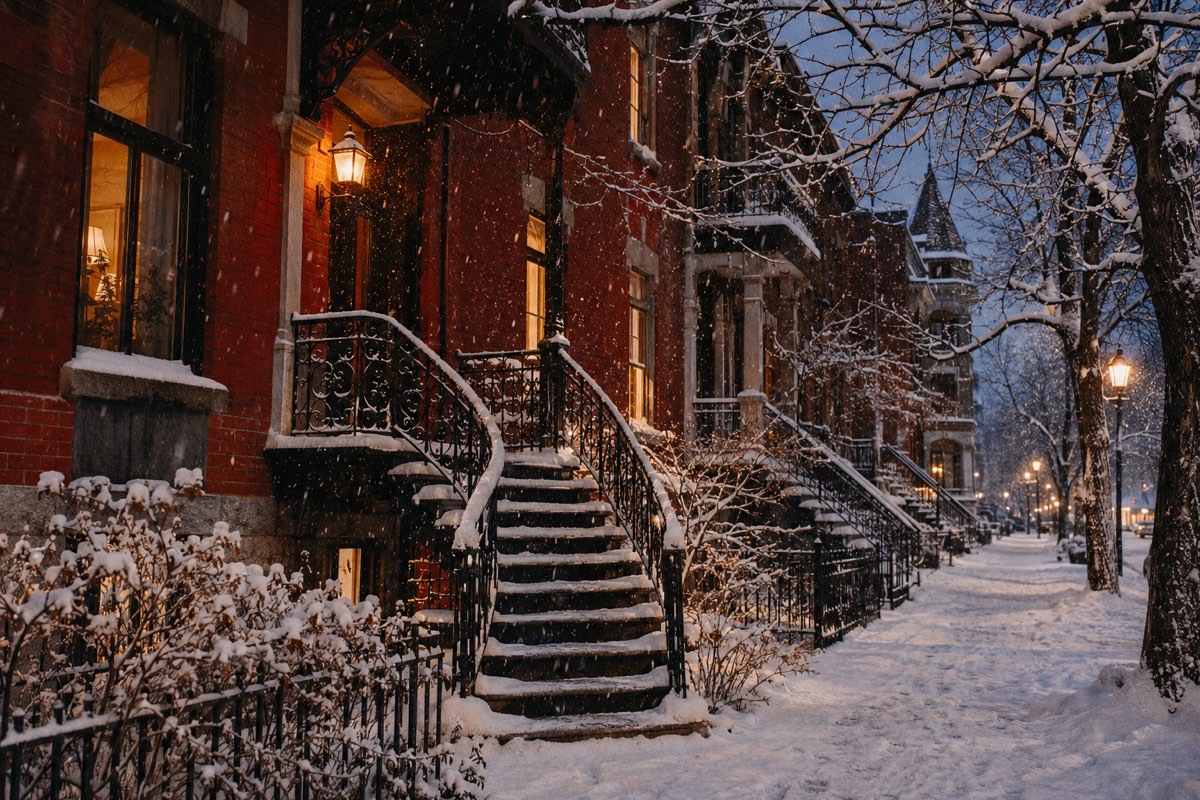
  5. Snowy Montreal street with lit windows

    2002

    A novel on screen

    Séraphin: un homme et son péché, directed by Charles Binamé, brings Claude-Henri Grignon's 1933 novel to cinemas.

  6. Deep red theatre curtain

    2004

    An Oscar for Quebec

    Les Invasions barbares by Denys Arcand wins the Oscar for best foreign-language film, a year after Cannes.

Before the lights go down

An independent site about cinema

Reel North is not a studio, a distributor or a festival. It is a reader's guide to how Quebec and Canadian films are made, shown and found.

A snowy Montreal street at dusk with lit windows and wrought iron staircases

Cinema from a place with two languages and long winters. We follow how films are made, shown and found, from archive reels to festival nights.

What this is

Notes from the projection room

What you will find on this site

The site covers independent cinema in Quebec and Canada: its history, the festivals of Montreal and Toronto, how films reach cinemas, and bilingual film. Each topic has its own guide, and every guide is based on facts you can check.

The guide to the history of Quebec cinema begins with an institution. The National Film Board of Canada was created in 1939 under the National Film Act, and John Grierson became its first commissioner. From there, we turn to the films that brought this cinema to the world's attention. Denys Arcand's Les Invasions barbares won the Oscar for best foreign-language film at the 2004 ceremony. A year earlier at Cannes, its screenplay was honoured and Marie-Josée Croze won the prize for best actress.

Festivals and the road to cinemas

The second guide covers film festivals in Canada. Festival du nouveau cinéma in Montreal began in 1971, the Toronto festival, TIFF, in 1976, and Montreal's Fantasia in 1996. Each has a different character, so we describe them individually and explain how they differ.

The third guide explains how film distribution works. A film does not reach the screen on its own, and independent Canadian cinema makes that journey in a market where two languages coexist. We describe each stage in order, from a festival screening to a theatrical release, without naming companies or making any commercial offers.

Why bilingual film deserves its own guide

Canada has two main film languages, and some productions use both. Bon Cop, Bad Cop, directed by Érik Canuel in 2006, was made in two language versions, French and English. Séraphin: un homme et son péché, directed by Charles Binamé in 2002, is an adaptation of Claude-Henri Grignon's 1933 novel. Together, these two examples show that Quebec cinema can draw on literary tradition as well as a format designed for audiences in both languages. The fourth guide brings such examples together and explains how language shapes both the making of a film and its reception.

How to use the guides

The guides can be read in any order. If you are interested in the past, start with the history of Quebec cinema. If you plan to keep track of screenings, choose the guide to festivals. The remaining two explain how a film reaches its audience and why language can matter as much as direction.

Four guides

Read them in any order. Each one stands on its own.

End credits

Featuring

  • Les Invasions barbares
  • Bon Cop, Bad Cop
  • Séraphin: un homme et son péché
  • Pour la suite du monde

Festivals

  • Toronto International Film Festival
  • Festival du nouveau cinéma
  • Fantasia
  • Rendez-vous Québec Cinéma

Institutions

  • National Film Board of Canada
  • Telefilm Canada
  • Québec Cinéma